The Sheds Where Carnival Magic Happens: Inside the Winter Workshops of 2026
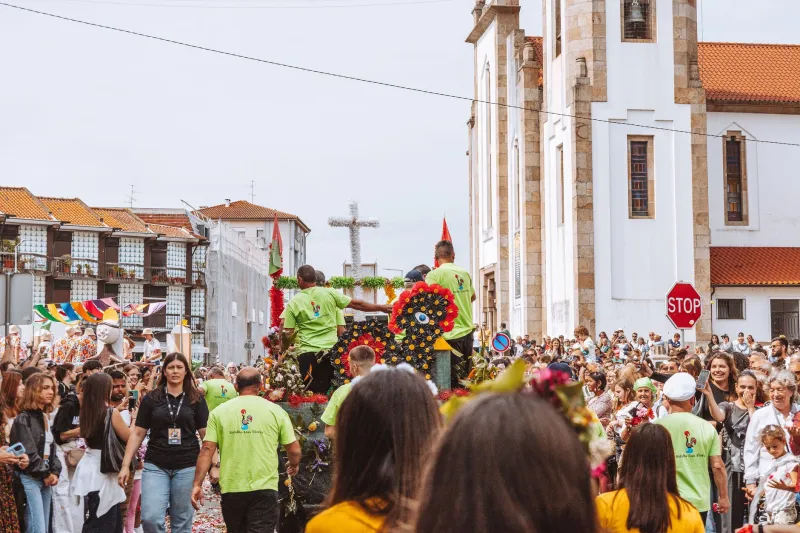
On a damp Tuesday in November, the smell of cut plywood, hot glue and strong tea hangs in a village hall somewhere in the Midlands. A half-built carnival float — part spaceship, part garden shed — takes up most of the floor. Someone is marking up a sheet of aluminium, someone else is hunting for the good scissors, and a safety marshal is quietly checking that the extension leads are not a trip hazard.
With the 2026 parade season barely packed away, this is where the next wave of carnival magic starts. The bunting has been folded, the sound system has gone back in the van, but the workshops are already busy. Across the UK, volunteer-run carnival clubs use the winter months to design, weld, paint and glitter the floats that will roll through towns and villages next year. It is slow, practical, occasionally chaotic work — and it is the part of carnival the crowd rarely sees.
From village hall to industrial unit
Carnival floats are not built in a day, and they are rarely built in one place. A club might sketch ideas in a front room, cut timber in a borrowed garage, weld the chassis in an industrial unit, then bring everything back to a scout hut for painting and decoration. Storage is often the biggest headache. A finished float needs somewhere dry, secure and tall enough to take a giraffe, a pirate ship or whatever mad theme the committee has agreed on.
Builders say the design stage is where the real work happens. Themes are chosen with an eye on the crowd: something families will recognise, something that photographs well, something that can survive a British summer downpour. Sketches get pinned to the wall, cardboard models get taped together, and someone eventually has to say the words every crew knows: that will never fit under the bridge.
Welding, wood and the rules that keep everybody safe
Safety marshals are not there to spoil the fun. They are the reason the fun can happen. A float has to be stable, visible and controllable. Towing points need checking, brakes need testing, and anything that could fall off in a gust of wind needs securing properly. Fire retardant treatment, guarded generators, sensible cable routes and clear emergency access are all part of the conversation long before the first glitter is opened.
One marshal describes the job as part mechanic, part diplomat and part worrier. That sounds about right. Carnival clubs work closely with local councils on licences, risk assessments and insurance, and the paperwork is easier when it is tackled early rather than the week before the parade. The best workshops have a culture where anyone can raise a concern — especially the person holding the ladder.
The budget conversation
The word budget comes up a lot in carnival workshops, usually followed by a knowing laugh. Floats are expensive. Timber, paint, vinyl, lighting, generator hire, fuel, insurance and storage all add up, even when materials are donated. Many clubs fundraise all year through quiz nights, raffles, sponsored walks and bucket collections. Sponsorship from local businesses helps, but organisers are wary of making the float look like a rolling advert.
The smartest crews reuse everything. Last year's castle becomes this year's space station with a bit of imagination and a lot of paint. Charity shops, Freecycle groups and friendly builders are often sources of good materials. What clubs really need, though, is time and people. A spare pair of hands on a Saturday morning is worth a fortune.
Family-friendly themes and community taste
Carnival is a family day out, and float themes usually reflect that. Crews think carefully about music volume, costume choices and whether a design will read well from a pavement fifty metres away. Clever and colourful beats complicated every time. A float that makes a five-year-old point and a grandparent smile has done its job.
That does not mean playing it dull. UK carnival has a long history of gentle satire, local in-jokes and home-made spectacle. The trick is knowing the difference between a wink and a jab. Builders often test ideas on younger family members: if the kids look bored, the theme needs work.
How to join a crew in 2026
If you have ever watched a float go past and thought I could do that, this winter is the moment to find out. Many clubs hold open evenings, repair sessions or social nights in November and December. A quick email or message through a club's social media page is usually welcome. You do not need to be a welder or an artist. Crews need painters, sewers, sandwich-makers, drivers, marshals, fundraisers and people who are good at tidying up.
Practical tips for newcomers: wear old clothes, bring gloves if you have them, and be honest about what you can do. Ask about age limits and safeguarding rules if you are bringing young people. Turn up when you say you will, and do not be offended if the first job is sweeping the floor. That is how everyone starts.
Practical tips for local organisers
For organisers hoping to build a stronger float crew in 2027, start now. Keep a simple skills list so you know who can weld, tow, paint or bake. Run a winter open workshop with tea and a clear job list. Invest in basic safety training and make sure marshals are recruited early, not in a panic in May. Be transparent about money, and thank people properly. A club that feels friendly in January will still have a crew in July.
At BTP Carnival, we love the noise and colour of parade day. But the real magic happens in those quiet winter sheds, where a pile of timber and a pot of glitter slowly becomes something a whole town turns out to see.