Turn Left at the Bunting: Why the Real Carnival Is Off-Route
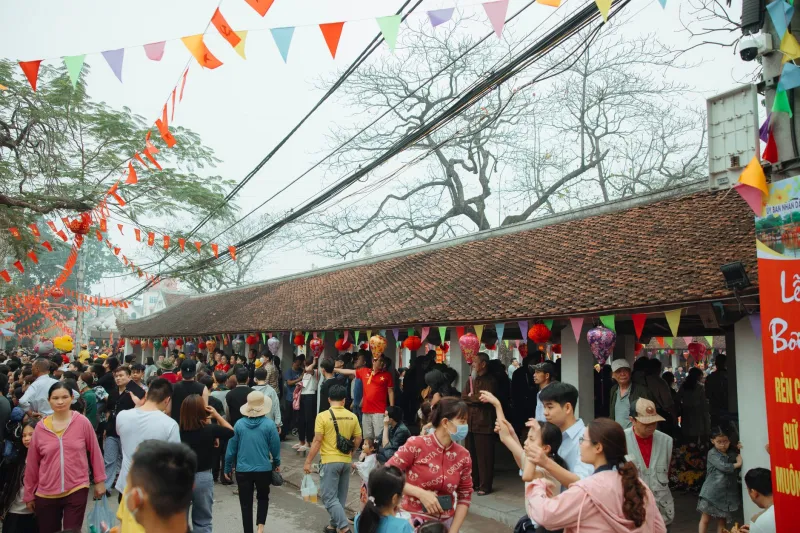
I love the main route. I love the bass drum you can feel in your ribs, the sequins, the sheer joyful noise of it. But every year, I find myself doing the same thing: about an hour in, I slip down a side street, and I don't come back.
The Crush Isn't the Carnival
The main stage is brilliant and exhausting. It's also where you'll spend twenty minutes queuing for a loo, forty minutes trying to find a spot where a child can actually see, and an hour apologising to the person whose foot your buggy has just run over. The parade is a spectacle, and spectacle is lovely. But it's not the whole story.
The side streets are. That's where the carnival actually lives — in the church hall selling homemade samosas, the ukulele trio outside the hardware shop, the face painter who doesn't have a queue, the tea tent where someone's nan is charging a pound a cup and giving you a biscuit for free.
What You'll Find When You Wander
Last year I found a puppet show in a doorway, three morris dancers performing to an audience of six, and a repair café fixing a child's broken lantern. None of it was on the programme. All of it was magic.
There's a quieter rhythm off-route. The sound systems fade, the crowds thin, and you can hear yourself think. For families with small children, or anyone who finds the main route a bit much, that's not a compromise — it's an upgrade. There are benches. There's shade. There's a woman selling lemonade from a folding table, and she remembers your name the second time you walk past.
I've watched a choir sing in a doorway because the church steps were too crowded. I've seen a bloke with a squeezebox play to a queue outside a bakery, and the queue forgot it was a queue. I've bought a second-hand book for 50p and a slice of cake for a pound, and I've had a better afternoon than any VIP wristband could buy.
A Quick Guide to Going Off-Route
First, pick a landmark, not a stage. 'Meet by the clock tower' is better than 'meet by the sound system'. Second, follow the bunting — organisers usually mark the quieter zones with it. Third, look for chalkboards and A-boards; they're where the small stuff gets advertised.
Take cash. The tiny stalls often don't have card readers, and the tea tent definitely doesn't. Go before 1pm if you want the gentler version of the day; the side streets are at their best when the main route is still warming up. Set a meeting point for older kids. And listen — the best side-street moments are usually audible before they're visible.
If you need a quieter corner for sensory reasons, ask a steward. Most carnivals now have calm spaces and accessible routes away from the main crush, but they're not always obvious. The side streets are often the answer, and they're usually step-free.
The Case for Slower Carnival
Here's my argument, and I'll keep it short: a carnival belongs to the town, not just the stage. The main route is the postcard. The side streets are the living room. They're where neighbours actually talk to each other, where the kids who've been practising all year get a crowd of six and a round of applause, and where you can sit down.
So this year, do the parade. Do the main stage. Sing along, take the photos, buy the chips. But then turn left at the bunting, and see what you find. The real carnival is waiting, and it's got a cup of tea with your name on it.