Petals, Not Plastic: The Case for Confetti That Vanishes by Monday
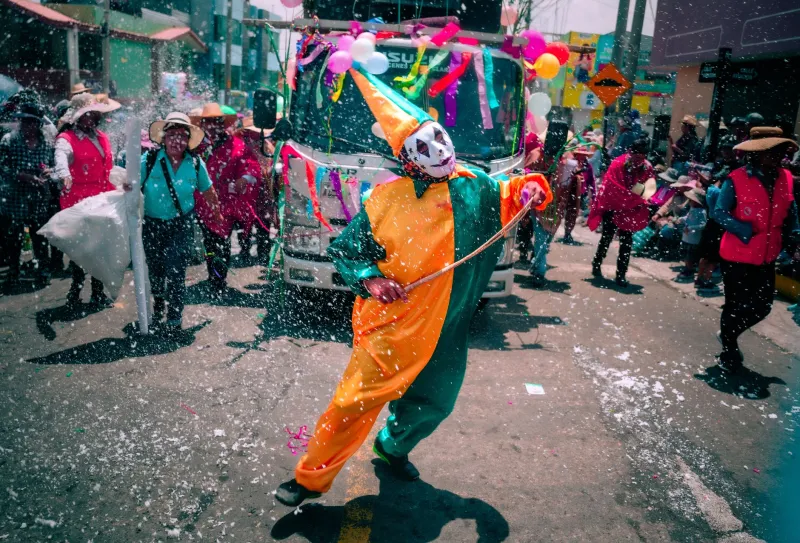
There’s a moment just after the floats turn the corner when the air goes thick with colour. Kids grab handfuls, performers shower the crowd, and for about four seconds the high street looks like a snow globe. Then the confetti lands. On the pavement, in the gutter, in the buggy wheels and the dog bowls. By Monday morning, someone is sweeping it up. That’s the carnival confetti conundrum in a nutshell: the joy is instant, the clean-up is not.
Why plastic confetti is a carnival problem
Most conventional confetti is made from PVC or PET film. It does not break down in any meaningful way; it fragments. Those tiny shards end up in drains, soil and waterways, and they are a nightmare for wildlife. Councils across the UK have been tightening litter rules and charging more for clean-up, and carnivals are feeling the pinch. A single windy procession can scatter thousands of pieces beyond the reach of any volunteer with a dustpan.
The word ‘biodegradable’ on a packet is not a guarantee. Some products labelled that way are conventional plastic with an additive that helps them break into smaller pieces — which is not the same as composting. If you are buying confetti for a stall or a troupe, ask the supplier what it is actually made from and whether it carries a recognised compostability certification. Glitter is another hidden plastic; even the sparkly stuff sold as eco-friendly deserves a second look.
The alternative that actually works
Paper petals are the obvious hero here. Tissue paper, crepe paper and recycled paper can be die-cut into shapes, printed with a carnival logo, and composted after the event. They flutter differently from plastic — softer, slower, a bit more romantic — and they look brilliant in photographs. Dried flower petals are another lovely option, especially for smaller processions, though they can be heavier and pricier. Reusable fabric petals are worth considering for performers who want the same shower effect year after year: hand them out, collect them, wash them, bring them back.
Rice and birdseed are sometimes suggested, but many venues discourage them for wildlife and slip hazards. Bubbles are a brilliant family-friendly swap for young children. The key is to match the alternative to the setting: paper petals for street parades, bubbles for tight crowds, reusable fabric for stage moments.
A simple swap guide for organisers
Put it in writing. Add a clause to performer and stallholder contracts: no plastic confetti, no plastic glitter, no foam pieces. Specify that any confetti must be paper, dried petal or certified compostable, and ask for supplier details in advance.
Set up petal points. Instead of handing out plastic shakers at the start of the route, create refill stations where volunteers top up paper cones. It keeps the mess controlled and gives families a reason to pause and chat.
Recruit a sweep team. A small crew with dustpans and brooms at the end of the procession can make a huge difference. Pair them with a ‘leave no trace’ announcement from the stage and clear bin signage. Work with your local council early so everyone knows what is being used and how it will be cleared.
For performers
Swap shakers for paper cones filled with tissue petals. If you need a bigger shower, use a basket and a dramatic throw rather than a plastic cannon. Avoid glitter makeup and hairspray with plastic shimmer; there are mineral-based alternatives that look just as festive. If you are a costume group, consider reusable fabric confetti for repeated appearances and keep a paper confetti stash for the finale.
For families
Buy paper confetti, not plastic. Make your own from old tissue paper or plain recycled paper — glossy magazines are less useful because of the coating. Bring a paper bag to collect what you can, and choose bubbles or ribbon wands for little ones who want to join in without the litter. If you run a stall, sell paper confetti as a fundraiser and tell people why.
The tricky bits
Paper confetti can clump in the rain and colours can bleed, so store it dry and test a handful before the big day. It can cost a little more than the plastic stuff, but many suppliers now offer bulk rates for community events. Dried petals need to be kept cool and dry. None of this is insurmountable; it just needs a bit of planning.
The point is not to ban fun. The point is to make sure the fun does not outlast the weekend. Carnival is about community joy, and that includes leaving the street in a state we are proud of. Paper petals, a decent broom and a bit of forward thinking can give us the spectacle without the plastic hangover. Confetti should vanish by Monday. That is the kind of magic worth cheering for.