The Great British Carnival Plate: Six Regional Bites Worth Queuing For in 2026
Carnival food is never just food. It is a map of the place you are standing in, served on a paper plate. The 2026 season proved that point beautifully: across the UK, stallholders turned local ingredients and family recipes into the kind of queues that make organisers smile and hungry visitors sigh. Here are six regional bites that stood out this year — and a few notes for anyone trying to build a food trail that tastes like home.
Pembrokeshire pies: the west Wales welcome
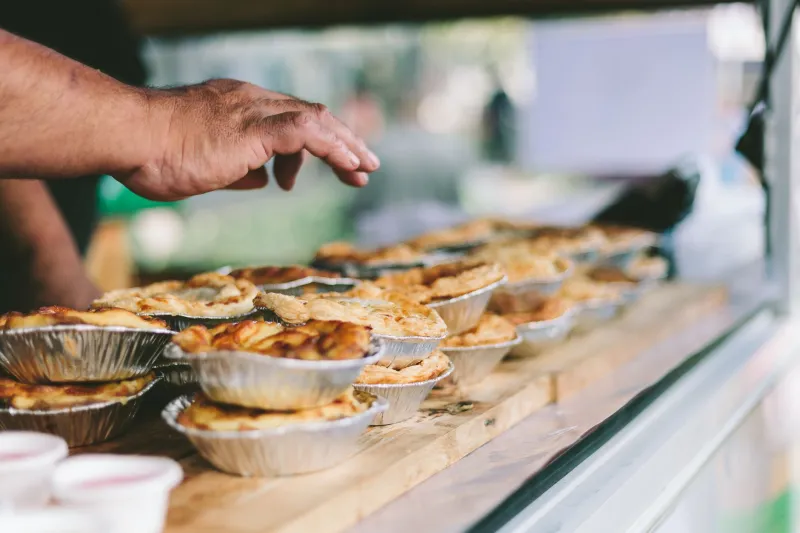
Near Tenby, a pie stall can clear a table faster than the tide comes in. The best versions are simple: beef, potato, leek and a pepperiness that cuts through the pastry. ‘We bake what we know,’ said Megan, who has run a stall at Pembrokeshire carnivals for years. ‘People want something warm in one hand while they watch the parade with the other. If it falls apart, it is not doing its job.’
Must-try: a hand-sized beef and leek pie with a smear of mustard. Look for stalls using local meat and a proper shortcrust, not a pale imitiation. If you see a queue of locals, join it.
Yorkshire parkin: sticky, spicy, quietly brilliant
Parkin is the sleeper hit of northern carnival stalls. Oat-heavy, treacly and gently spiced, it is the sort of cake that makes a paper napkin essential. One Sheffield stallholder told us she bakes trays of it the night before and cuts it into fat squares. ‘It is not flashy,’ she said. ‘But people come back for it. Grandparents, kids, everyone.’
Must-try: a warm square with a cup of tea, ideally while pretending you are not going back for a second piece. Wrap it well; parkin improves after a day or two, if it lasts that long.
Cornish fairings: the biscuit with a snap
Fairings are ginger biscuits with a crackled top and a proper crunch. They travel well, which makes them perfect for a carnival crowd, and they feel a bit more special than a standard biscuit. A stallholder in Bodmin described them as ‘the biscuit you buy for the walk home and finish before you get there.’
Must-try: a bag of fairings shared with someone who appreciates ginger. They are also a smart stall item for organisers who want something that will not melt in a sunny queue.
Scottish tablet: the sweet that fights back
Tablet is not fudge, and anyone who tells you otherwise has not tried it. It is sugary, crumbly and slightly grainy, and a little goes a long way. At a Highland carnival stall, we watched a queue of children negotiate pocket money for a single square. The stallholder laughed. ‘You do not need a big piece. You need a good piece.’
Must-try: a small square with strong coffee. It is also a brilliant fundraiser because it keeps well and looks lovely in little paper bags.
Norfolk lavender shortbread: the gentle crowd-pleaser
Lavender shortbread is the sort of thing that sounds fancy until you try it and realise it is just a very good biscuit with a clever twist. A Norfolk stallholder told us she uses local lavender and keeps the flavour light: ‘If it tastes like soap, we have gone wrong.’ The result is buttery, floral and dangerously easy to eat while walking.
Must-try: a shortbread finger with a cold drink on a warm afternoon. It is a good option for families because it is not too sweet and the portions are easy to share.
Northern Irish traybakes: the table of temptation
No food trail is complete without a traybake table. Fifteens, caramel squares and malty biscuits cut into neat rectangles are a staple of Northern Irish community events. One stallholder in County Down told us the secret is not a secret at all: ‘Butter, time and a sharp knife.’ The queue moves fast, but people linger to choose.
Must-try: a fifteen — the classic biscuit-and-marshmallow log rolled in coconut — and a caramel square. Buy two; you will not regret it.
How to build a food trail that showcases your area
Start with a short, walkable route. A food trail works best when people can wander between stalls without missing the parade. Group savoury, sweet and drinks logically, and keep a couple of seats or hay bales for people who need a sit-down.
Ask stallholders to tell their story. A simple chalkboard line — ‘baked in Narberth’, ‘family recipe since the 1980s’ — does more than a glossy menu. If you can, create a little trail card with a map and a few recommended bites.
Label dietary options clearly. Vegetarian, vegan, gluten-free and dairy-free choices should be easy to spot, not hidden behind a squint. Smaller sample portions help families try more and reduce waste.
Plan for waste and water. Bin points, recycling, hand-wash stations and accessible water refills are not glamorous, but they make a food trail feel cared for. Work with your council on food safety and licensing early, and ask stallholders to bring compostable packaging where possible.
Finally, let local character lead. The best carnival food trails are not generic food courts; they are a proud, slightly messy showcase of what the area does well. Pembrokeshire pies, Yorkshire parkin, Cornish fairings, Scottish tablet, Norfolk lavender and Northern Irish traybakes all say something about place. That is worth queuing for.