When the Drums Get Too Loud: A Family Field Guide to Calmer Carnival Days

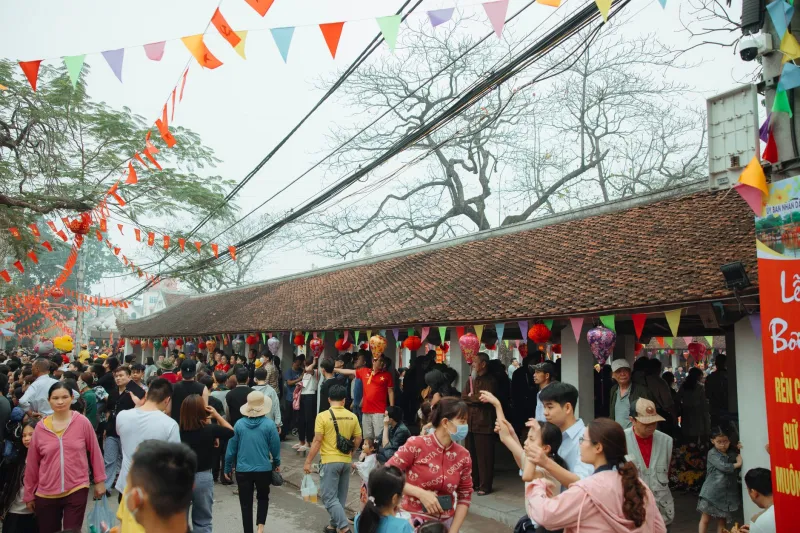
Carnival is a full-body experience. The bass arrives before the float does, the smell of jerk seasoning mixes with trampled grass, and somewhere ahead a whistle cuts through the steel pans. For plenty of families, that is exactly the point. For others, it is the moment the day starts to unravel.
Sensory-friendly carnival planning is not about turning the volume down on the whole event. It is about giving families a map through the noise. As the 2026 season packs away its PA stacks and bunting, it is worth saying plainly: the carnivals that got this right this year did not lose any joy. They simply made it easier to find.
Start with the map, not the ear defenders
Before you pack anything, do a bit of quiet research. Check the carnival website and social channels for an accessibility page, a sensory map or a family guide. If you cannot find one, email the organisers. Be specific. Ask where the main sound systems will be, roughly when the parade passes key points, and whether there are scheduled loud bursts such as cannons, sirens or fireworks. Ask if there is a designated quiet area, a chill-out tent or a low-sensory hour. Ask about accessible toilets, re-entry rules, lost-child points and the best place to stand if you need to leave quickly.
Good organisers will not be offended by these questions. They will probably be glad you asked. A carnival is a temporary village, and the families who arrive with a plan are often the ones who stay longest and spend happiest.
What to pack, and what to leave at home
The kit is simple and not especially glamorous. Ear defenders are the obvious starter, but noise-cancelling headphones can work for older children and adults who find the build-up harder than the bang. Pack sunglasses for bright costumes and glare, water for hot pavements, snacks for blood-sugar dips, and a familiar comfort item for the moments when the day gets too much. Write your phone number on a card and pop it in a pocket. If your child is likely to bolt, dress them in something bright and agree a meeting point before you leave the house.
Leave the giant pushchair at home if you can manage it. Crowds turn wheels into obstacles. Leave anything you would be heartbroken to lose. And leave behind the idea that you have to see everything. A half-day at a carnival with a calm exit is worth more than a full day that ends in tears.
The quiet corners worth finding
Every carnival has them, even if they are not on the official map. Side streets away from speaker stacks, church halls, library gardens, community centres, the edges of parks and the back of food courts can all offer a pocket of lower noise. Some 2026 events went further, setting up sensory retreats with soft seating, dimmed lights and trained volunteers. Others published quiet routes to the main viewing areas or offered ear defenders to borrow on the day.
If you are planning for next summer, put a few UK carnivals on your radar. St Pauls Carnival in Bristol, Leicester Caribbean Carnival and Leeds West Indian Carnival are among the events where accessibility planning has been moving in the right direction, even if no two carnivals do it the same way. The key is to check the 2027 information early, because the best quiet corners are often the ones you know about before the crowds arrive.
Exit routes are not an afterthought
Stand near an exit. It sounds obvious, but it is the single most useful thing you can do. Walk the route in before the parade starts. Identify two ways out, not one. Pick a meeting point that is easy to describe and hard to miss, such as a statue, a church door or a particular food stall. Agree a signal for when you need to leave, and make sure everyone knows it is allowed to use it.
Park away from the busiest streets if you are driving, and check the nearest station or bus stop before you set off. If you are using public transport, have a backup plan for the journey home. The best exit route is the one you have already walked in daylight, before the drums start.
The joy is still the point
A calmer carnival is still a carnival. You can watch the costumes from a distance, catch the steel pans from the edge of the crowd, share a plate of food on a quiet wall and still feel the day buzz around you. Sensory-friendly planning is not a retreat from the fun. It is a route back to it.
The families who do this well are not the ones who avoid the noise. They are the ones who know where the quiet is, when to use it and how to get home with the good bits still ringing in their ears.