Paint, Cloth and Pride: Why Carnival Banners Are Being Brushed Back Into Life
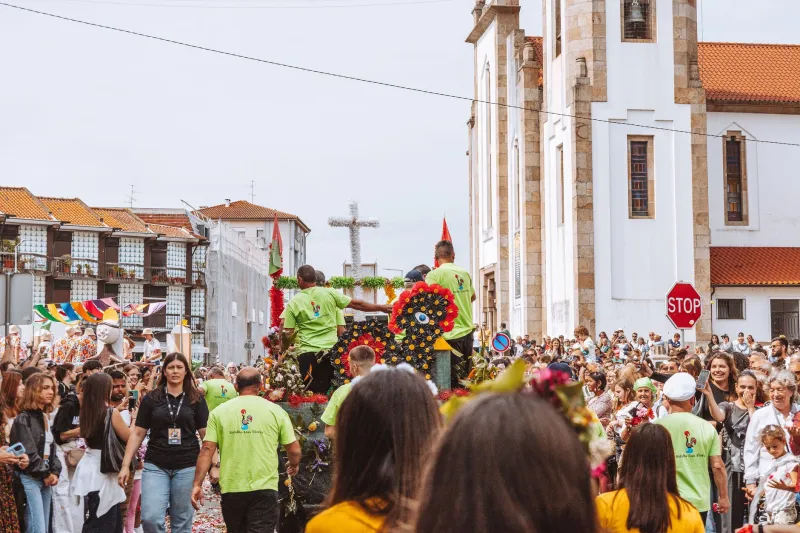
At the edge of a carnival procession, just before the first float turns the corner, there is a moment that rarely makes the television coverage. A banner lifts into the air. It might be two metres wide or six. It might be carried by scouts, a dance troupe, a mosque youth group or a jazz band. The poles flex, the fabric breathes, and for a second the whole street reads a name that has been painted by hand.
In 2026, that moment is having a quiet revival. While most festival signage is now printed on vinyl and delivered in a roll, a growing number of UK community groups are turning back to cloth, brush and signwriter's enamel. The reasons are practical, sentimental and occasionally both at once.
The slow art behind the fast parade
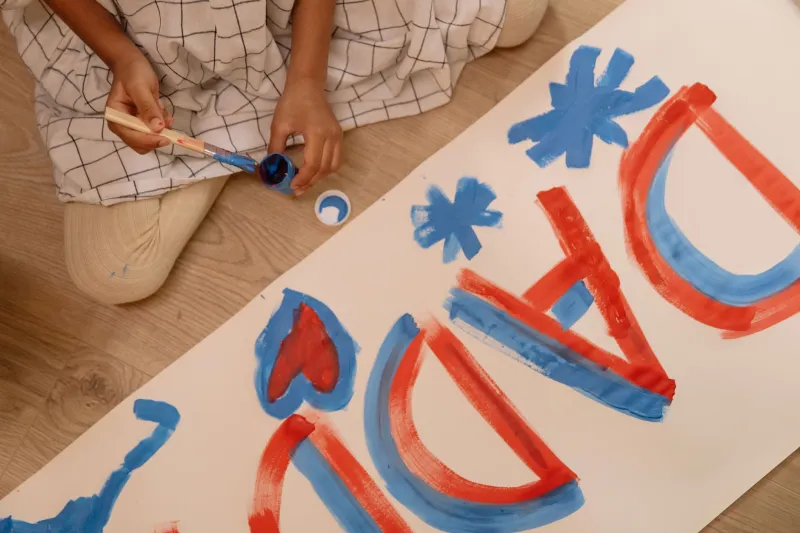
Hand-painted banners are not a single craft. They sit at a crossroads of signwriting, fairground art, trade union banner-making and the kind of community workshop culture that teaches a teenager to letter a straight line without a computer. The best makers begin with a design that can be read from ten metres away, then draw it full-size, punch the outline through paper, and pounce the shape onto dampened cloth. The paint goes on in layers. The hem is stitched. Eyelets are set. Pole pockets are added. The whole thing is weatherproofed and left to dry in a room that smells faintly of size and turpentine.
It is slow work, and that is part of the appeal. A vinyl banner is a file sent to a printer. A painted banner is a series of decisions made by hand, and it carries the slight irregularities that come with them. A brushstroke thickens where the maker paused. A colour is mixed a little warmer than the proof. Those small human marks are exactly what make it feel like yours.
Why groups are turning back to cloth
Cost is more complicated than it looks. Vinyl is cheaper upfront. A simple printed roll-up can be ordered for less than a hundred pounds and delivered in days. But vinyl cracks in cold weather, curls at the edges and fades in the sun. When it fails, it usually fails all at once, and repairing it is rarely worth the effort.
A painted cloth banner is different. It can be patched, rehemmed and touched up. A scuff on a letter can be overpainted. A faded red can be brought back. Groups that commission one often keep it for a decade or more, bringing it out for the same weekend every year until it becomes part of the group's identity. There is also the environmental argument, quiet but real: fewer plastic roll-ups, more local craft, more repair and less replacement.
Then there is the pride. It is hard to explain until you have seen it. When a banner is made by hand, the people who carry it often know who painted it. They may have helped mix the colours or stitch the hem. Seeing your group's name go down the street in paint rather than pixels does something that a printed graphic cannot quite match.
What commissioning actually involves in 2026
If you are thinking of commissioning a hand-painted banner for next season, start early. Most makers need four to eight weeks, and the good ones are often booked well before carnival weekend. Decide how the banner will be carried: a two-metre by one-metre banner can be managed by one adult in calm conditions, but anything larger needs two people and a plan for wind. Choose between pole pockets and eyelets, or both. Think about storage: cloth banners should be rolled, not folded, and kept dry.
Design for distance. Bold shapes, high contrast and short words work best. A banner is not a poster. If people cannot read it as the parade approaches, the detail is wasted. Expect to pay somewhere between £250 and £600 for a simple two-metre painted banner, with larger, double-sided or highly detailed works running from £800 to £2,000 or more. That is not pocket change, but it is a different kind of purchase from a disposable roll-up. It is closer to buying a piece of community furniture.
Where to see the revival
The revival is not confined to London. Signwriters and community workshops in West Yorkshire, Bristol, Birmingham and Leicester are all taking on carnival work, often alongside canal boat painting, pub signs and fairground panels. Some groups run their own banner-making sessions, inviting members to help paint a border or fill in a block of colour. The result is not always technically perfect, but it is unmistakably theirs.
At 2026 carnivals, you may have spotted the difference without knowing it: a banner that caught the light rather than reflecting it, a name that seemed to sit in the cloth rather than on top of it, a colour that looked mixed rather than selected from a menu. That is the tell.
The small pride of paint
Vinyl has its place. It is fast, affordable and perfectly good for a one-off notice. But a hand-painted banner is a promise. It says that this group intends to be here next year, and the year after that, and that someone cared enough to make the sign by hand. When it goes past, people do not just read the name. They see the effort. In a carnival, that is worth more than a crisp edge.