The Front-Garden Tap: Meet the Neighbours Keeping Carnival Cool, One Squash Jug at a Time
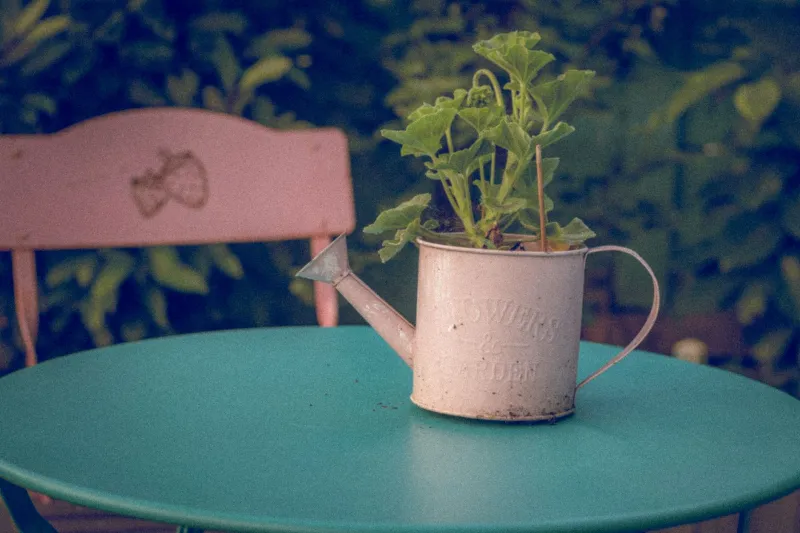
The bit of carnival nobody puts on the flyer
You can map a carnival route by its big landmarks: the judging stand, the steel band corner, the chip van that always has a queue. But ask a dancer, a marshal or a parent with a tired eight-year-old and they will tell you about a different kind of landmark. A foldaway table. A hand-painted sign. A washing-up bowl full of squash jugs. A garden hose looped carefully around a rose bush.
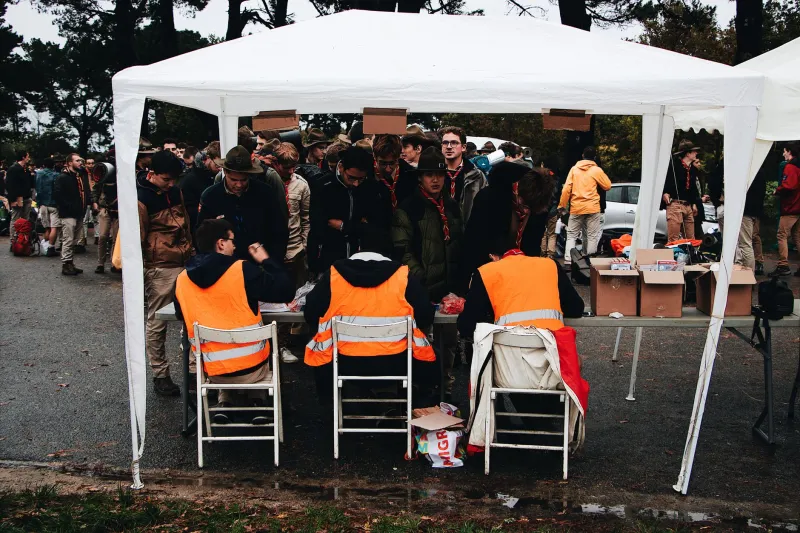
These are the front-garden water stations: unofficial, resident-run pit stops that appear along UK carnival routes every summer. They are not stalls in the official sense. Nobody is selling anything. There is no queue system, no card reader, no laminated allergen matrix. Just neighbours who have worked out that a parade is thirsty work, and that the shortest distance between a hot pavement and a cold drink is often someone’s front gate.
Why a garden tap beats a bottled drink
On a warm carnival day, the official refreshment points do a heroic job, but they can only be in so many places. A water station fills the gaps. It is usually within sight of the route, it is free, and it is fast. For dancers in heavy costume, that matters. For marshals standing in the same spot for four hours, it matters even more. For families, it is the difference between a brilliant afternoon and a slow, sweaty trudge back to the car.
The best stations are almost aggressively unglamorous. You might find a trestle table under a parasol, a stack of reusable cups, a jug of squash, a bowl of fruit, and a sign reading “Water here — help yourself, mind the step.” Some residents add a bowl of dog water. Some add a spare bin bag for cups. The whole thing often costs less than a round of ice creams and takes about twenty minutes to set up.
The unspoken rules of the pavement pantry
What makes these stations work is not just the water. It is the etiquette. Residents who have been doing this for years tend to follow a few simple principles, even if nobody wrote them down.
First, stay out of the way. The route belongs to the parade, the emergency services and the stewards. A water station should sit on private forecourt or garden space where possible, or on a patch of pavement that does not narrow the walking route. Never block a dropped kerb, a bus stop, a fire hydrant or an accessible crossing.
Second, keep it clean. That means food-grade containers, a clean jug, and a bin bag tied to the table. It also means no mysterious ice. If you would not drink it yourself, do not hand it to a stranger in a feathered headdress.
Third, be clear about what is on offer. A simple sign saying “Tap water and squash — free — please take a cup” saves a hundred conversations. If you are using squash, keep the bottle nearby so people can check the label. Some families avoid certain sweeteners or colours, and a quick glance at the ingredients is all they need.
Setting up your own station in 2026: a practical checklist
If you live along a carnival route and fancy joining the front-garden water brigade this year, here is a sensible starting point.
Before the day
- Check with the organisers or your local council. Rules vary by town, and a quick email to the carnival committee or highways team will tell you whether you need permission to put a table on the pavement. Many residents stick to their own front garden or drive to keep things simple.
- Think about public liability. If you are simply giving away tap water from your own frontage, the risk is low, but it is worth checking your home insurance policy and following any guidance from the carnival organisers. Do not turn it into a food business by accident.
- Plan for shade. A parasol, a gazebo or even a well-placed tree makes a difference to whoever is staffing the table. Rotate volunteers every hour or so.
- Keep it reusable. Reusable cups, a washing-up bowl and a tea towel are friendlier than a tower of single-use plastic. If you do use disposable cups, make sure they go in a labelled bin, not on the pavement.
On the day
- Use food-grade containers and clean water. Fill jugs from a wholesome supply, keep them covered, and refresh them regularly. If you are making squash, follow the dilution instructions and keep the bottle on display.
- Do not block the route. Keep tables, chairs and hosepipes tucked back. Make sure wheelchairs, pushchairs and emergency vehicles can still pass.
- Label everything. “Free water”, “Squash — contains sweetener”, “Cups here”, “Bin here”. Clear signs reduce confusion and keep the queue moving.
- Have a bin plan. Ask people to return cups or take them to the nearest bin. A station that leaves a trail of cups is a station that will not be invited back.
- Look after the staff. Sun cream, a chair, a loo break rota and a bottle of water for the volunteers. It sounds obvious, but the person handing out drinks often forgets to have one.
The small stuff that makes a big difference
A good water station is not just about hydration. It is a tiny piece of carnival hospitality. It gives a marshal somewhere to pause, a parent a place to refill a child’s bottle, and a dancer a chance to cool down before the next stretch. It also gives neighbours a reason to talk to each other. By mid-afternoon, the front-garden tap has usually become a small social hub, with someone’s nan in a folding chair and a dog asleep under the table.
That is the spirit of it. No branding, no fuss, no charge. Just a hose, a jug and a bit of shade. If you are on the route this year, keep an eye out for the hand-painted signs. And if you are thinking of setting one up, start small, keep it safe, and remember the golden rule: the parade comes first, the pavement stays clear, and the squash is always colder than it looks.