The 6am Huddle: How Carnival Weather Calls Really Get Made
At 5.50am on a soggy Saturday in July 2026, the carnival control tent is already busy. Someone is holding a phone up to the light, squinting at a rain radar that has just changed colour. Someone else is tapping a wind gauge. A clipboard is being passed around like a collection bucket. The first float is due to move in three hours, and the forecast has decided to be interesting.
This is the part of carnival life most people never see. The bunting is still in its boxes, the burger vans are only just firing up, and a small team is trying to answer one very big question: what does the sky plan to do today?
The forecast isn’t the boss
Organisers do not simply check one app and make a call. They cross-reference the Met Office, local weather stations, radar loops and what they can actually see out of the tent flap. They also talk to the council, the safety advisory group, emergency services and contractors. The question is rarely just will it rain. It is whether rain will come in sideways onto the sound desk, whether the ground will hold a lorry, and whether a gust will turn a cheerful high street into an obstacle course.
That is why the weather plan is not one decision made on Friday night. It is a rolling conversation. A forecast that looks grim at 6am can brighten by 9am. A dry morning can turn into a thunderstorm by the time the second marching band reaches the corner. Organisers plan for the most likely scenario, prepare for the worst one, and keep a radio handy for everything in between.
What changes first
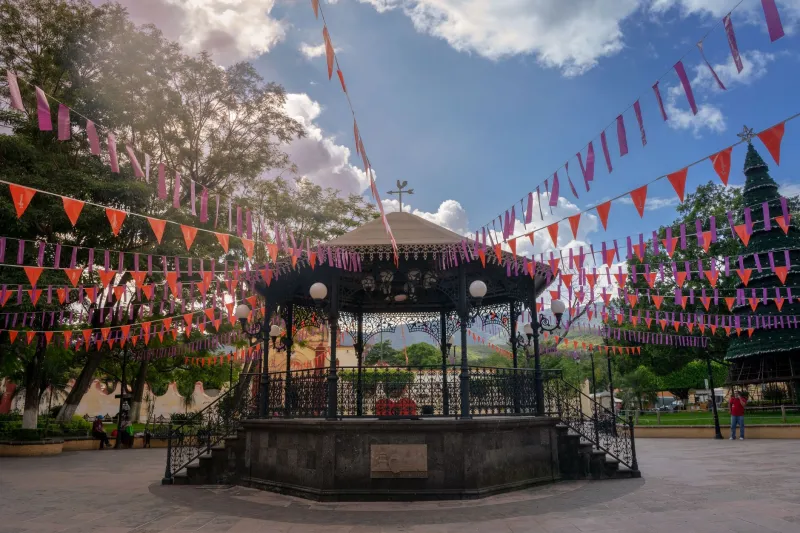
Bunting is usually the first casualty. It looks innocent enough, but in a stiff breeze it becomes a sail. Flags, banners and lightweight signage get the same treatment. If wind speeds creep above the limits set for stages, marquees or inflatables, crews will lower, weight or remove them rather than hope for the best.
Stall layouts can shift too. Traders may be turned to face away from the wind, moved off saturated grass, or spaced further apart to keep queues away from ropes and guy lines. On very wet days, a parade route might be shortened, re-timed or re-routed around a boggy park. On very hot days, the concern flips to shade, water points and keeping performers cool in heavy costumes. A single gust or a sudden downpour can rewrite the whole morning, but the aim stays the same: keep the day safe and keep as much of the celebration on as possible.
The countdown in plain English
In the 72 hours before a carnival, organisers are watching forecasts, checking ground conditions and confirming contractor plans. At 48 hours, they are usually in contact with the council and key suppliers about any changes. At 24 hours, they will publish as much clear information as they can. On the morning itself, the final call often comes after a walk of the route and a look at the latest radar.
For families, the practical rule is simple: check official event channels twice. Look once the evening before, then again around 7am or 9am on the day. Do not rely on a screenshot of a forecast from three days ago, and do not trust a social post from a previous year. If the start time has moved or a stage has paused, the official page will say so.
Packing for a British carnival day
A packable waterproof is better than a golf umbrella. In a crowd, umbrellas become accidental hazards and they are no fun in a gust. Bring sun cream even if the morning is grey, plus refillable water, layers, a hat with a strap, snacks and a power bank. A small towel and a bag for wet clothes are worth their weight in gold. If you have little ones, agree a meeting point before you get swept up in the crowds, and write your phone number on their wristband or hand.
If the plan changes while you’re there
Listen to announcements and follow the stewards. If lightning is nearby, move to a building or a vehicle rather than sheltering under a tree. If the heat ramps up, find shade and keep drinking water. If a route is paused, give the crew space to sort it out. Marshals are not being awkward for the sake of it; they are reading the same radio updates as the control tent and trying to keep everyone moving safely.
The bit nobody claps for
The best weather plan is the one you never notice. It is the stage that quietly stays upright, the bunting that comes down before it becomes a hazard, and the stallholder who gets moved to firmer ground before the first queue forms. It is also a lot of standing in drizzle with a clipboard.
So pack the mac, charge the phone, check the official updates and say hello to the steward in the high-vis vest. However the sky behaves in 2026, the carnival spirit is still in the crowd, the music and the people who turn up ready to make the best of it. At BTP Carnival, we will be cheering all of them on.