The Pop-Up Fixers: Inside Carnival’s Friendliest Repair Tent
By the time the 2026 carnival season packed away its bunting, the repair tent at BTP Carnival had become something of a local legend. It is not the flashiest pitch on the field. There are no mirrors, no sound system and certainly no queue for the main stage. Instead, there is a folding table, a pegboard of mystery, a kettle that never quite stops and a small team of volunteers who can persuade a broken fairy wing to survive one more lap of the high street.
A tent that smells of glue and goodwill
You smell it before you see it: a mix of contact adhesive, old canvas and strong tea. The repair tent is usually pitched just off the main drag, close enough to hear the drums but far enough away for a quiet conversation. Its sign is handwritten, its chairs are mismatched and its purpose is simple. If something has snapped, split, drooped or lost its sparkle, bring it here.
On carnival day, the tent becomes a tiny hospital for costumes and props. A child arrives with a headdress that has lost half its sequins; a parent carries a fairy wing with a snapped wire; a steward drops off a float prop that has developed a dangerous lean. The fixers do not tut. They ask what happened, find a clear space on the table and start work.
What gets wheeled, carried and hobbled in
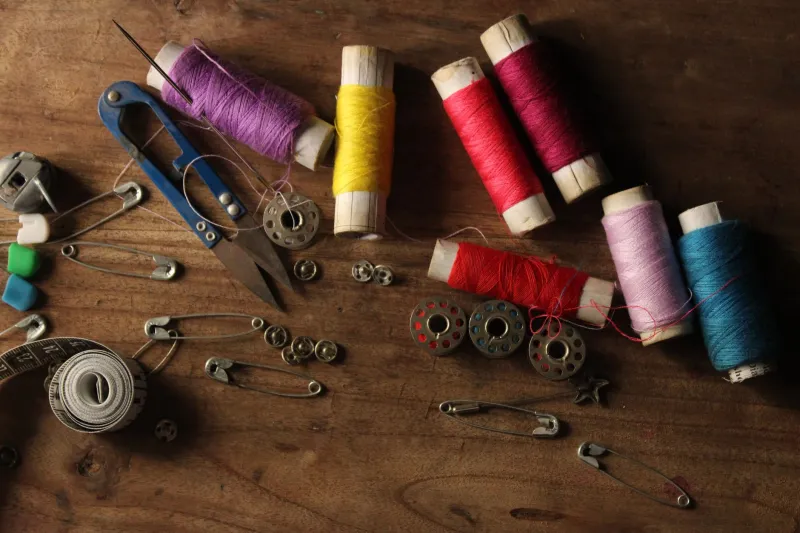
Common cases include split seams, broken straps, loose wheels on small pull-along costumes, cracked plastic shields and the dreaded snapped elastic. The team keeps a stash of cable ties in every colour, safety pins in three sizes, gaffer tape, fabric glue, fishing line and a jar of odd buttons. There is also a box of donated tools: a sturdy pair of scissors from a retired seamstress, a hot glue gun that has seen better days, pliers from a shed clear-out and a sewing machine that only works when coaxed.
The fixers are not there to judge the homemade look. In fact, the more inventive the costume, the more likely it is to need a quick bit of help. A cardboard dragon with a torn wing can be taped and re-stitched in minutes. A tulle skirt that has caught on a buggy wheel can be pinned back into something resembling its former glory. The aim is not perfection. The aim is to get someone back into the parade with a smile rather than a tear.
The toolkit is a community project
Nothing in the repair tent is new if it can possibly be old. The cable ties come from a neighbour’s garage clear-out. The fabric scraps are donations from a local sewing group. The buttons were rescued from a tin at the back of a village hall cupboard. Even the tent itself has been patched more than once, which feels appropriate.
That spirit of reuse is part of the point. Carnival is a brilliant explosion of colour and noise, but it also creates a lot of stuff. Feathers, foil, sequins and foam can be beautiful and also fragile. A repair tent quietly argues that a costume does not have to be perfect to be worth keeping. A stitch here and a safety pin there can buy a headdress another year, a prop another procession and a family another happy memory.
Why the fixers say bring it anyway
Pride can be a barrier. People often apologise when they arrive, as if a broken strap is a personal failing. The volunteers have heard it all before. They would much rather see a wobbly wheel than watch a child sit out because their costume feels ruined.
One volunteer described the tent as a place for small rescues. A split seam is not a disaster. A snapped wand is not the end of the day. The fixers keep a roll of bin bags for wet weather, a box of tissues for the inevitable tears and a stash of stickers for younger visitors who need a bit of distraction while a grown-up does the mending. It is practical care, delivered with a cup of tea and a bit of banter.
What to pack for a costume emergency
Families can make the repair tent’s job easier by packing a small emergency kit. It does not need to be expensive or bulky. A labelled zip-up pouch in a rucksack is enough.
- A mini sewing kit with needles, thread, small scissors and a couple of safety pins.
- Spare elastic, hair bobbles and hair grips for quick fixes.
- Cable ties and a short strip of gaffer tape wrapped around a pencil.
- Glue dots or fabric tape for sequins and trims.
- Wet wipes and a small cloth for sticky fingers and muddy hems.
- A marker pen and a spare label for names on cups, bags and props.
- A couple of bin bags for wet weather or messy repairs.
- Spare tights or socks for quick padding and emergency warmth.
- A small torch for evening events and darker corners of the field.
The quiet sustainability lesson
The repair tent is not a lecture. It is a table with a kettle and a box of tools. But it offers a gentle reminder that carnival can be joyful without being disposable. A costume that is mended is a costume that stays out of the bin for another season. A prop that is re-taped is a prop that gets one more dance. That is not about being worthy. It is about being practical, saving money and keeping the good stuff going.
As the 2026 season fades into memory, the repair tent deserves a place in the carnival story. It is where broken wings get a second dance, wobbly wheels get another roll and small emergencies meet calm, capable hands. If you see the handwritten sign next year, pop your head in. You may not need a repair. But you will almost certainly leave feeling better about the world.