The Paper Trail to the Parade: Who Really Runs Carnival's Noticeboard Network?
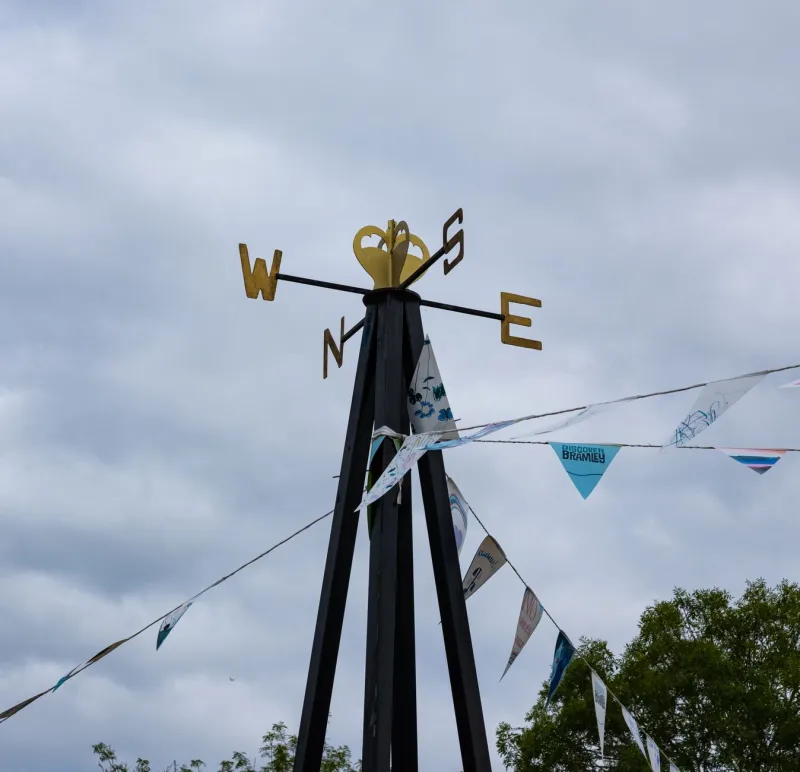
By the time the 2026 season packed away its bunting, the laminated route maps were already curling at the corners. A few were still clinging to shop windows in town. One was flapping from a lamppost near the church, held on by two cable ties and a hopeful bit of tape. And somewhere in a carnival volunteer's kitchen, a spreadsheet was quietly filling up with the words: removed, replaced, needs asking again.
Carnival notices look simple. A bit of A4, a date, an arrow, a plea to bring a folding chair. But behind every crisp laminate is a small operation involving permissions, timing, readability and the delicate art of taking things down without leaving a mess. It is less a billboard campaign and more a paper trail through the places people actually go.
The noticeboard is not one noticeboard
A carnival does not have a single information point. It has dozens. There is the parish council board, the library foyer, the corner shop window, the chip shop counter, the village hall porch, the school gate, the doctor's surgery waiting room and the hairdresser who knows absolutely everyone. Then there is the WhatsApp group, which is its own ecosystem, complete with three different versions of the same timetable and at least one voice note about parking.
Organisers soon learn that no one channel reaches everybody. Social media is brilliant for quick updates, but it does not help the grandparent who does not scroll. A poster in a window still catches the eye of someone walking to the bus stop. A notice in the village hall catches the committee crowd. A friendly word at the shop counter catches the people who never look at either. The trick is not choosing one — it is joining them up without turning the high street into a wallpaper of conflicting arrows.
Permission, please: the first rule of the lamppost
Here is the unglamorous truth: not every lamppost is fair game. Many are owned by the local council, and rules vary from place to place. Some authorities have designated notice boards or approved spots. Others ask that you keep clear of certain posts for safety, sightlines or maintenance. A few have a permit system that sounds more complicated than it needs to be until you realise it is there to stop every event in town taping a banner to the same stretch of railings.
The safest approach is also the friendliest: ask first. Ring the council or parish office and find out what is allowed. Ask the shop owner before you blue-tack anything to their window. Ask the village hall secretary whether the porch board is for village events only. Ask the library whether they have a community notice area and how long items can stay. Write down the answer. A quick note in a shared spreadsheet — spot, contact, date agreed, removal date — saves a lot of guessing later.
And please, do not tape notices to painted walls, wooden doors or anything that will peel. Cable ties and removable tape are kinder. If a post already has a council-approved fixing, use that. If it has nothing, think twice before adding a third layer of sticky residue to a surface that has to last all year.
Readable beats clever
The best carnival notice is not the prettiest one. It is the one someone can read in four seconds while holding a toddler's hand and dodging a delivery van. That means big, clear type. High contrast. One message per notice. The date, the time, the place and the one thing you want people to do.
A few practical rules from the laminate frontline:
- Put the most important words at the top. Carnival name, date, times, location. Save the poetic line for later.
- Use a plain font at a decent size. Six different typefaces is not festive; it is a puzzle.
- Laminate both sides if the notice will be outside. British weather does not respect your print budget.
- Add a QR code if you like, but never rely on it alone. Not everyone wants to squint at a square while standing in the rain.
- Check the notice from a few paces back. If you cannot read the headline from the pavement, neither can anyone else.
- Keep traffic signs and street nameplates clear. A carnival arrow should never make a road sign harder to read.
The removal round
Putting notices up is the visible bit. Taking them down is the quiet bit that keeps the goodwill going. Every laminate should have a removal date written on the back, ideally in pencil or a small corner note. The organiser's log should say who put it where and when it is due to come down.
Then comes the removal round: a couple of volunteers, a bag for cable ties, a scraper for the careful bits and a route that covers every spot. Take down your own notices first. Do not tear down someone else's unless it is clearly out of date and you have checked with the venue. If a notice has been damaged by wind or rain, replace it or remove it — a sad, flapping half-poster does not say community joy. It says the carnival forgot.
Thank the hosts as you go. A quick note to the shop, the library or the hall secretary costs nothing and makes next year's ask much easier. If you used their Blu Tack, replace it. If you moved a chair to reach the board, put it back. Leave the spot exactly as you found it, minus the notice and plus a bit of goodwill.
A little black book of notice spots
Most carnivals end up with an unofficial map of the places that work. It might be a spreadsheet, a notebook or a page in the committee folder. Either way, it is gold. Mark the spots by zone: high street, residential estate, school run, village hall, community centre, library, shop windows, cafe boards, station approach. Note which ones need permission, which ones need a person to ask in advance and which ones are best avoided because they are already crowded with other notices.
The last lamp post on the route always matters more than it looks. It is often the one near the turning people miss, the bit where the parade seems to vanish, the spot where a family stops and says, which way now? A clear arrow there is worth ten glossy posters in a place everyone already knows. That is the quiet war over carnival notices: not a battle for space, but a steady, good-natured effort to put the right words in the right places — and then take them down with a thank-you.
Why it still matters
Carnival information is not just admin. It is an invitation. For a family new to the area, a notice in the library might be the first thing that makes the carnival feel open to them. For an older resident, a clear line in a shop window might be the only way they hear the route has changed. For a local trader, a well-placed poster is a small part of a very big weekend.
No expensive billboard required. Just a decent laminate, a polite ask, a readable font and a volunteer with a bag of cable ties. The 2026 notices are coming down now. Somewhere, a spreadsheet is already getting ready for the next paper trail.