Wide Gates, Quiet Corners: The Step-Free Carnival Route Worth Knowing
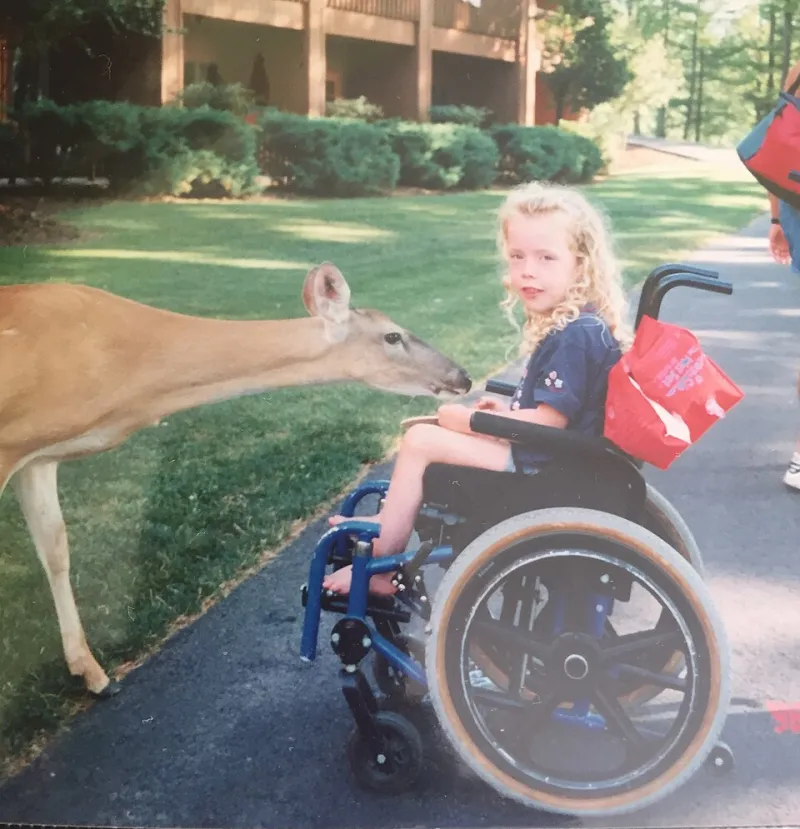
Photo: Wikiwheels93, CC BY-SA 4.0, via Wikimedia Commons
Carnival is brilliant at bringing a town together, but it is also very good at putting a kerb in the wrong place. A dropped kerb blocked by a burger van. A viewing spot that looks flat until you try to get a wheelchair over the grass. A shortcut that turns into a cul-de-sac of cable reels and folding tables.
So this year we did a step-free recce of the carnival layout rather than just admiring it from the pavement. The route below is based on the 2026 site plan, a slow walk around the main entrances and conversations with two volunteer access coordinators from local groups. It is not an official map, and layouts can change on the day, but it is a practical place to start.
Start where the pavement is wide
The best arrival point is the north gate off Mill Lane. It has a wide opening, a temporary mat over the grass verge and a short, level run to the main walkway. The station-side entrance is closer to the parade route, but it involves a slope and a pinch point by the ticket barriers that gets genuinely unpleasant once the pushchairs arrive.
If you are coming by bus, ask the driver for the library stop rather than the town hall stop. The library side has a proper dropped kerb and a bench within twenty metres. From there, the walk to the north gate is about four minutes at a gentle pace, with one road crossing controlled by stewards.
Accessible parking is usually signed near the leisure centre, but the blue badge bays fill early. Arriving before 11.30am makes a real difference. If you use a mobility scooter, note that the charging point at the community centre is available on carnival day, though you will need to bring your own lead and ask a steward to point you towards the indoor socket.
The quiet side of the parade
The main stage area is where the noise, crowds and best chips are. It is also where a lot of people understandably give up. The quieter viewing spot is on the east side of the recreation ground, just behind the bandstand and beside the hardstanding path. You still see the floats turn the corner, but you are set back from the speakers and have a clear exit behind you.
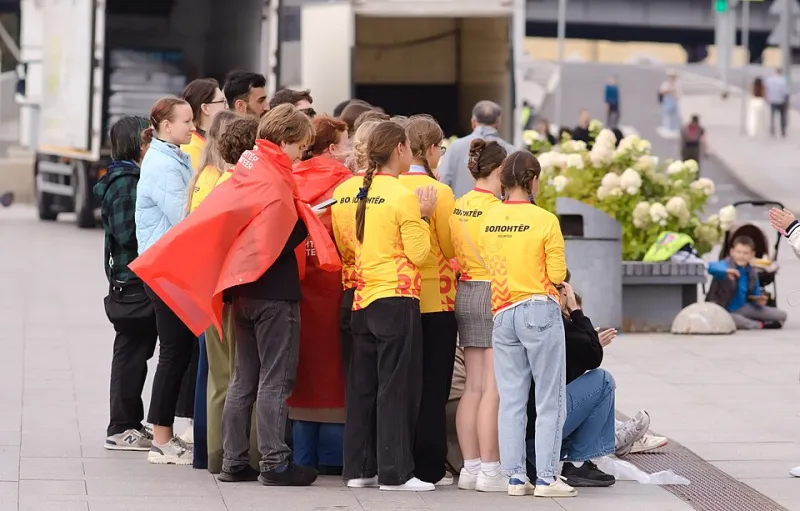
Ask a steward in a blue tabard for the accessible viewing area. In 2026 it is marked by a low white fence and a sign that says, simply, 'Accessible viewing here.' That sign matters. One coordinator from a borough access forum told me: 'The best carnival routes are the boring ones — flat, wide and clearly signed. People do not want an adventure. They want to know they can get in, see the parade and get out again.'
Another volunteer, who uses a mobility scooter, said the biggest improvement last year was not a ramp or a platform. It was information. 'A line on the map saying access point here changed the whole day for me,' she said. 'I did not have to guess.'
Loos, water and the golden hour
The community centre has an accessible toilet with a RADAR key, and the leisure centre has a Changing Places facility about six minutes away on level ground. The portable loos near the main field are fine for many people, but they are not all step-free, and the queue can block the path. Go early or use the community centre.
Water refills are available at the yellow tub by the first-aid tent. If you are pushing a wheelchair or walking with a stick, carry a bottle rather than a full jug — the refill point is easy to reach, but the path beside it gets crowded once the afternoon acts begin.
Shade is the other quiet hero. The row of trees along the east path gives proper cover, and there are benches every thirty metres or so. For grandparents who want to see the carnival without standing for two hours, this is the stretch to aim for. Bring a lightweight stool if you can; the benches go quickly.
What already works
Credit where it is due: the temporary matting at the north gate is a simple, cheap fix that makes a huge difference. The stewards are generally excellent at spotting someone who looks unsure and pointing them towards the flatter route. The 'quiet hour' at the craft tent, held before the drums start, is a lovely bit of planning for families who need a softer start.
The accessible viewing area is not perfect — it needs better shade and a clearer sightline to the second float — but it exists, it is staffed and it is signposted. That is more than many carnivals manage.
Five fixes for 2026
Organisers could make the step-free route genuinely excellent with a few low-cost changes. First, publish a route map that marks gradients, surfaces and accessible loos, not just stall numbers. Second, put an access champion on each gate with a radio and a laminated map. Third, keep cables and guy ropes off the main step-free path; a tidy cable run is an accessibility feature.
Fourth, add a scooter charging point sign to the programme and the website. Fifth, give the accessible viewing area a little more shade and a bench or two for companions. None of these are glamorous. All of them would turn a good effort into a genuinely welcoming day.
A route for tired legs too
Step-free is not only about wheels. The same route works for walking sticks, pushchairs and anyone who has already done 8,000 steps before lunch. Start at Mill Lane, follow the hardstanding path to the bandstand, use the community centre loos, then exit via the east gate towards the leisure centre. It is a loop of roughly half a mile, with benches, shade and two clear exits.
Carnival should feel like a day out, not a navigation test. The 2026 layout is closer than ever to getting that right. With a few signs, a bit of matting and some honest information, the step-free route could become the route everyone wants to know about.